Polycarbonate-ABS (PC-ABS) is an engineered thermoplastic alloy combining the strength and heat resistance of polycarbonate with the flexibility and processability of ABS (Acrylonitrile Butadiene Styrene). The balance of properties in PC-ABS alloys depends on the PC-to-ABS ratio, the molecular weight of the polycarbonate, and the use of specific additives. This alloy exhibits excellent flowability, processability, plating performance, and surface appearance. Compared to ABS, PC-ABS shows significantly improved heat resistance, impact strength, and performance in thin-walled applications.
The PC-to-ABS ratio is the key factor influencing the final product’s heat resistance. Due to its synergistic behavior, the PC-ABS alloy delivers superior impact resistance at low temperatures — outperforming both PC and ABS individually.
Main Features of PC-ABS
General Characteristics:
PC-ABS is a slightly amorphous, odorless, and non-toxic engineering thermoplastic. It typically has a density ranging between 1.1 and 1.2 g/cm³.Mechanical Properties:
Offers excellent mechanical performance with outstanding impact resistance.Thermal Performance:
Service temperature ranges from 60°C to 120°C, with a Heat Deflection Temperature (HDT) between 120°C and 140°C.Electrical Properties:
Exhibits semi-insulating behavior.Flame Resistance:
Possesses high flame-retardant capabilities.Environmental Stability:
Demonstrates good stability under UV exposure and sunlight.Chemical Resistance:
Resistant to acids and oils, but not resistant to alkalis, oxidizing acids, amines, or ketones. Soluble in aromatic chlorinated and hydrocarbon solvents.Hydrolysis Sensitivity:
Highly sensitive to hydrolysis. Exposure to water at temperatures above 60°C can lead to hydrolytic degradation and cracking.
PC-ABS Alloy Overview
The Polycarbonate-ABS alloy blends two major engineering plastics—polycarbonate for its high heat and impact resistance, and ABS for its toughness at low temperatures and excellent processability. The result is a material suitable for demanding applications across various industries, such as automotive, electronics, home appliances, medical equipment, and information technology.
PC-ABS resins are available in different grades, including general-purpose, flame-retardant, and high-impact resistant types. Their ability to maintain high impact strength even at sub-zero temperatures, along with their superior heat resistance, makes them highly desirable in performance-critical applications.
Applications of PC-ABS Alloy
Automotive Industry:
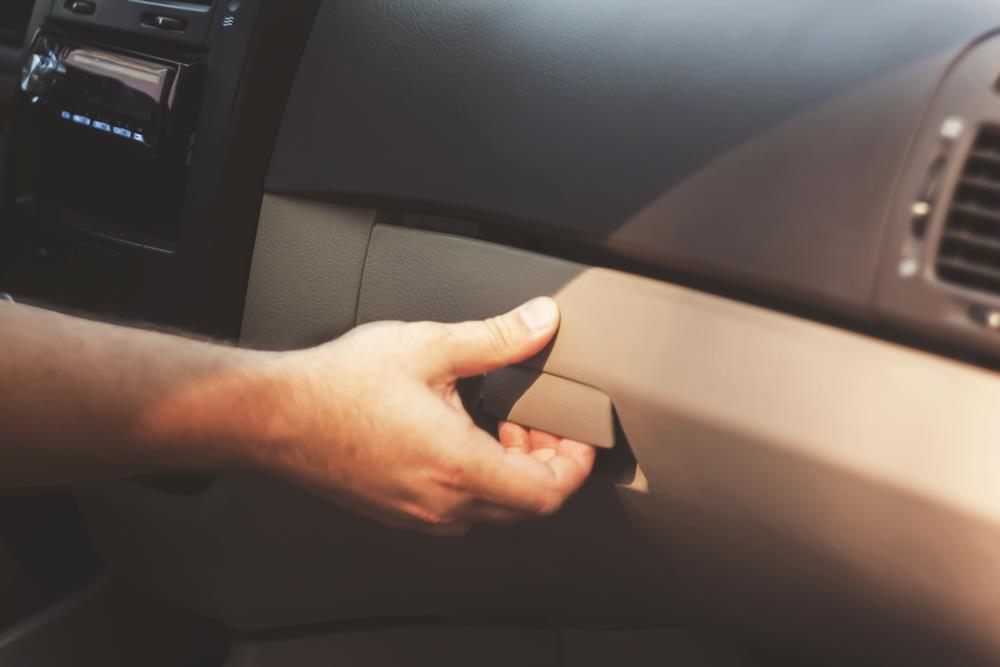
Center consoles, instrument panels, interior/exterior trim parts, trunk components.Electronic Components:
Switch housings, hair dryers, and other devices requiring impact resistance.Home Appliances & Consumer Electronics:
TV housings, laptop monitor frames, handheld devices, LCD bezels, keyboard keys, adapters, chargers, and mobile phone bodies.
PC-ABS Processing Guidelines
Pre-Drying:
Pre-dry at 80–110°C for 3–4 hours to eliminate moisture.Thermal Stability:
Begins degrading at around 300°C, releasing CO₂. Mechanical properties drop significantly beyond this temperature. Processing temperatures should be managed carefully.Injection Shot Size:
Optimal shot weight is 35–65% of the injection cylinder capacity.Barrel Temperature:
220–280°C depending on grade and part geometry.Mold Temperature:
Recommended range is 70–100°C.Injection Speed:
Slow to medium speeds are preferred for optimal surface quality.Mold Shrinkage:
Typical shrinkage is 0.5–0.7%; for reinforced PC-ABS grades, shrinkage ranges from 0.2–0.4%.Post-Processing Capabilities:
Suitable for printing, plating, bonding, coating, and machining. To relieve internal stresses, heat treatment at 80°C for 4 hours is recommended.