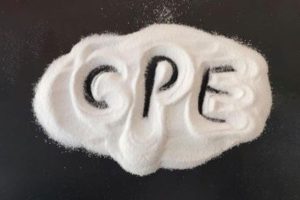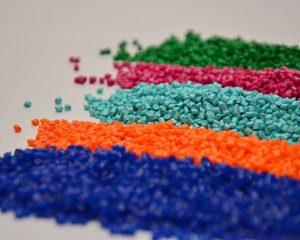
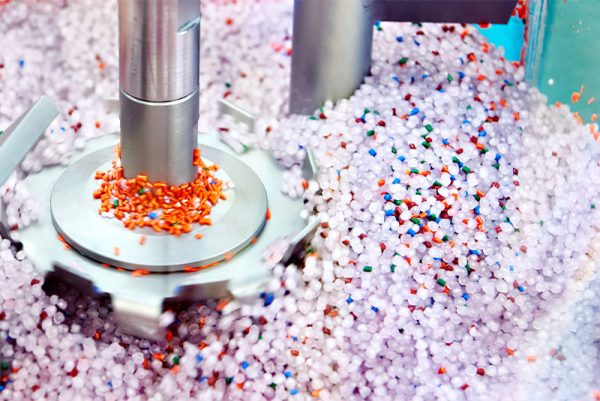
Polymer compounding is the process of mixing and blending different polymers, additives, and fillers to produce materials with targeted properties and performance characteristics. This process involves combining specific ingredients in a mixer and subsequently processing the resulting blend to create a final product that meets desired functional requirements. In this article, we explore the fundamentals of polymer compounding, along with its key applications, advantages, and challenges.
Applications of Polymer Compounding
Polymer compounding is used across a wide range of industries due to its versatility and ability to tailor material properties. Common applications include:
Automotive: Compounded polymers are used in dashboards, bumpers, interior trims, and tires. These materials are selected for their strength, thermal stability, and resistance to impact and chemicals.
Construction: Polymer compounds are used in pipes, insulation, roofing sheets, and profiles, offering excellent weatherability, flexibility, and chemical resistance.
Medical: Biocompatible polymer compounds are used in syringes, catheters, implants, and diagnostic equipment. Their resistance to sterilization methods and pathogens makes them ideal for medical use.
Packaging: From plastic wraps and bags to containers and trays, compounded polymers are widely used in packaging applications due to their barrier properties, flexibility, and cost-effectiveness.
Benefits of Polymer Compounding
Polymer compounding offers multiple benefits that make it indispensable in materials engineering:
Customization: Manufacturers can tailor mechanical, thermal, optical, and electrical properties by adjusting the formulation, allowing for application-specific materials.
Cost Efficiency: By blending base polymers with functional additives and inexpensive fillers, manufacturers can reduce material costs without sacrificing performance.
Enhanced Performance: Properties such as tensile strength, impact resistance, flame retardancy, UV stability, and thermal resistance can be significantly improved through compounding.
Challenges in Polymer Compounding
Despite its advantages, polymer compounding also poses certain technical and operational challenges:
Material Compatibility: Some polymers and additives may be chemically incompatible, leading to poor dispersion, phase separation, or degradation, which negatively impacts final material performance.
Processing Complexity: The compounding process often requires advanced mixing techniques, temperature control, and machinery expertise. Improper processing can result in defects or inconsistent material properties.
Environmental Concerns: Compounding processes may generate production waste or result in non-recyclable composite materials. Disposal and environmental compliance remain critical considerations.
Conclusion
Polymer compounding is a highly adaptable and valuable process for creating customized polymer materials with enhanced properties suited to specific applications. While it offers notable advantages in terms of performance, cost, and design flexibility, manufacturers must also address challenges such as material compatibility, processing complexity, and environmental sustainability. With proper formulation and processing control, polymer compounding continues to be a cornerstone in advanced material development across industries.