Polymeric materials are widely used across numerous industries due to their unique properties such as flexibility, durability, and lightweight structure. In the agricultural sector, these materials have become indispensable, offering innovative solutions to age-old farming challenges. This blog post explores key polymer applications in agriculture, highlighting their roles in crop protection, irrigation, and packaging.
Polymeric Materials in Agriculture
Polymeric materials have been integrated into agricultural practices for decades. They appear in various forms—films, fibers, coatings—and serve critical functions in modern farming. The most commonly used polymers in agriculture include:
Polyethylene (PE): A thermoplastic used extensively in agricultural films for crop protection and silage storage. PE films help shield crops from harsh environmental conditions and enhance yields.
Polypropylene (PP): Known for its strength and chemical resistance, PP is used in agricultural fibers to produce crop covers, weed barriers, erosion control mats, and twines for plant support.
Polyvinyl Chloride (PVC): A versatile polymer used in agricultural coatings and irrigation linings due to its durability, weather resistance, and ease of processing.
Polymer Applications in Crop Protection
One of the most impactful polymer applications in agriculture is in crop protection, where polymers help guard against pests, diseases, and environmental stress.
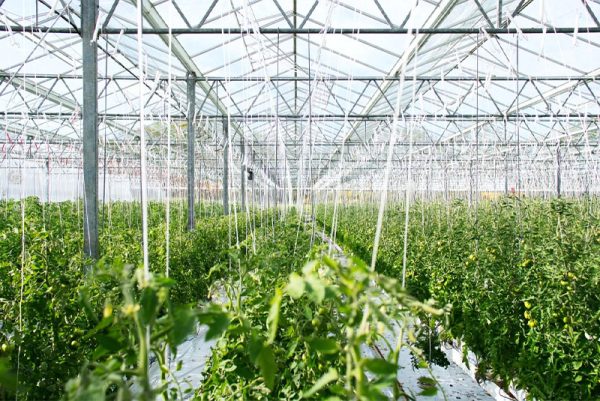
Agricultural Films: Made primarily from PE, PP, or PVC, these films create a controlled microclimate around crops, improving growth conditions and yield while protecting against extreme weather.
Agricultural Coatings: Typically made from PVC or polyurethane (PU), these coatings form protective layers over crops to reduce water loss, increase soil moisture retention, and resist pests and pathogens.
Agricultural Fibers: Manufactured from PP or polyethylene terephthalate (PET), these fibers are used in protective nets, ground covers, and crop-support systems.
Polymer Applications in Irrigation
In irrigation systems, polymeric materials help optimize water usage and distribution:
Films and Mulch: PE or PVC films line irrigation channels or act as mulch layers, minimizing water evaporation and enhancing soil moisture conservation.
Coatings: PVC or PU-based coatings are applied to irrigation infrastructure to prevent leakage, improve durability, and enhance water efficiency.
Pipes and Tubing: PE and PVC are used to manufacture irrigation pipes that transport water efficiently from source to crops, often integrated with drip or sprinkler systems for uniform distribution.
Polymer Applications in Packaging
Packaging is another critical domain where polymer applications in agriculture shine, ensuring product integrity during storage and transport:
Films and Wraps: PE and PVC films are used to wrap fresh produce, protecting it from physical damage and contamination during transit.
Bags: PP and PE bags are commonly used for storing animal feed, seeds, and fertilizers, offering lightweight yet strong solutions.
Containers: PET and polystyrene (PS) containers are used for packaging fruits and vegetables, both for storage and retail display.
Conclusion
Polymeric materials play a vital and growing role in modern agriculture. From improving crop protection to optimizing irrigation and enhancing packaging solutions, the versatility of these materials continues to support sustainability and efficiency in farming. With ongoing advances in polymer science and technology, the scope of polymer applications in agriculture is poised to expand further—making agriculture smarter, more resilient, and more productive.