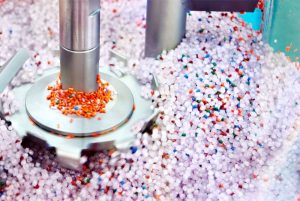

Polymers have become indispensable materials in modern manufacturing, particularly in the automotive industry. Over the past few decades, the use of polymers in the automotive industry has expanded rapidly due to their unique properties that offer manufacturers innovative solutions to design challenges. This article explores the importance, types, benefits, and applications of polymers in automotive manufacturing, shedding light on why polymers have revolutionized vehicle production.
Importance of Polymers in the Automotive Industry
The automotive sector is one of the largest consumers of polymers globally. As manufacturers strive to meet demands for lighter, safer, and more fuel-efficient vehicles, polymers present an ideal solution. The traditional use of metals, such as steel and aluminum, has limitations in terms of weight, corrosion resistance, and cost-effectiveness. Polymers, on the other hand, bring flexibility in design, reduced weight, and enhanced performance, making them a vital component in the automotive industry.
Types of Polymers Used in the Automotive Industry
Several types of polymers are commonly employed in the automotive industry, each selected based on specific performance criteria:
Thermoplastics: These polymers can be heated and reshaped multiple times, making them ideal for manufacturing parts that require complex shapes. Examples include polypropylene (PP), polyethylene (PE), and acrylonitrile butadiene styrene (ABS).
Thermosetting Polymers: Once cured, these polymers form a rigid structure that cannot be reshaped. They are often used for components that require high strength and heat resistance, such as epoxy resins and phenolic resins.
Elastomers: These polymers provide flexibility and resilience, suitable for seals, gaskets, and tires. Common elastomers include synthetic rubbers like styrene-butadiene rubber (SBR) and nitrile rubber (NBR).
Composite Polymers: These are polymers reinforced with fibers such as glass or carbon to enhance strength and durability. Fiber-reinforced polymers are used for structural components requiring high mechanical performance.
Benefits of Polymers in Automotive Manufacturing
The use of polymers in the automotive industry brings multiple advantages that directly contribute to vehicle performance, manufacturing efficiency, and environmental sustainability:
1. Weight Reduction and Fuel Efficiency
One of the primary benefits of polymers is their low density compared to metals. By replacing heavy metal components with lightweight polymers, manufacturers significantly reduce the overall weight of vehicles. This weight reduction directly translates to improved fuel efficiency and lower emissions, aligning with global environmental regulations and consumer demand for greener vehicles.
2. Design Flexibility
Polymers offer exceptional versatility in design, enabling the production of complex shapes and integrated components that would be difficult or impossible to achieve with metal. This flexibility allows for innovative styling, improved aerodynamics, and optimized space utilization within vehicles.
3. Corrosion Resistance
Unlike metals, polymers are inherently resistant to corrosion and chemical degradation. This property extends the lifespan of automotive parts, especially in areas exposed to moisture, road salts, and harsh environmental conditions.
4. Cost-Effectiveness
Polymers often reduce manufacturing costs due to lower material expenses and simplified production processes such as injection molding. Additionally, polymers’ lightweight nature reduces shipping costs and improves fuel economy, resulting in overall savings.
5. Noise, Vibration, and Harshness (NVH) Control
Polymers can absorb vibrations and reduce noise inside vehicles, enhancing passenger comfort. Components such as interior panels, bumpers, and mounts made from polymers help in controlling NVH characteristics more effectively than traditional materials.
Common Applications of Polymers in the Automotive Industry
The scope of polymers in the automotive industry covers a broad range of components, both structural and non-structural. Some typical applications include:
Exterior Components
Polymers are extensively used in manufacturing bumpers, fenders, grilles, and body panels. These components benefit from polymers’ impact resistance and design flexibility, enabling better energy absorption in collisions and more aerodynamic shapes.
Interior Components
The automotive interior relies heavily on polymers for dashboards, door panels, seating structures, and trim parts. The ability to mold polymers into intricate shapes allows for ergonomic designs, while their durability ensures long-lasting performance under repeated use.
Under-the-Hood Applications
Polymers withstand high temperatures and harsh chemical environments, making them suitable for engine covers, air intake manifolds, fluid reservoirs, and electrical connectors. High-performance engineering plastics are often used in these areas to replace heavier metal parts.
Electrical and Electronic Components
Modern vehicles incorporate a growing number of sensors, wiring harnesses, and electronic control units, many of which rely on polymer-based housings and insulation materials. Polymers provide electrical insulation and protection against moisture and contaminants.
Tires and Seals
Elastomeric polymers are critical in manufacturing tires, seals, hoses, and gaskets. Their flexibility and durability ensure safety and reliability in vehicle operation.
Challenges and Future Trends
While the use of polymers in the automotive industry offers numerous benefits, it also presents challenges. Polymers generally have lower mechanical strength and heat resistance than metals, which can limit their application in certain high-stress parts. Additionally, recycling and end-of-life management of polymer components remain concerns for environmental sustainability.
To address these issues, the automotive industry is investing heavily in research and development of advanced polymers and composites. Innovations such as bio-based polymers, thermoplastic composites, and improved recycling techniques promise to enhance the performance and eco-friendliness of polymer materials.
Furthermore, the rise of electric vehicles (EVs) has accelerated the demand for polymers due to their role in lightweight battery housings, thermal management systems, and electric motor components.
Conclusion
The use of polymers in the automotive industry has transformed vehicle manufacturing by providing lightweight, durable, and versatile materials. Polymers contribute to improved fuel efficiency, innovative design, cost reduction, and enhanced passenger comfort. As technology advances, polymers will play an even more critical role in shaping the future of the automotive industry, driving innovation toward more sustainable and efficient transportation solutions.